International Women’s Rights
Women's rights are human rights. Women are protected by international human rights law, which prohibits discrimination based on sex. Women, like men, are entitled to civil and political rights, such as the right to due process and the right to vote. Women are also entitled to economic, social, and cultural rights, such as the right to adequate food and health care, and the right to enjoy their own culture. But women also need to have their human rights specified, and they have particular concerns, such as protection against domestic violence, which are more likely to apply to women and girls than to men and boys.
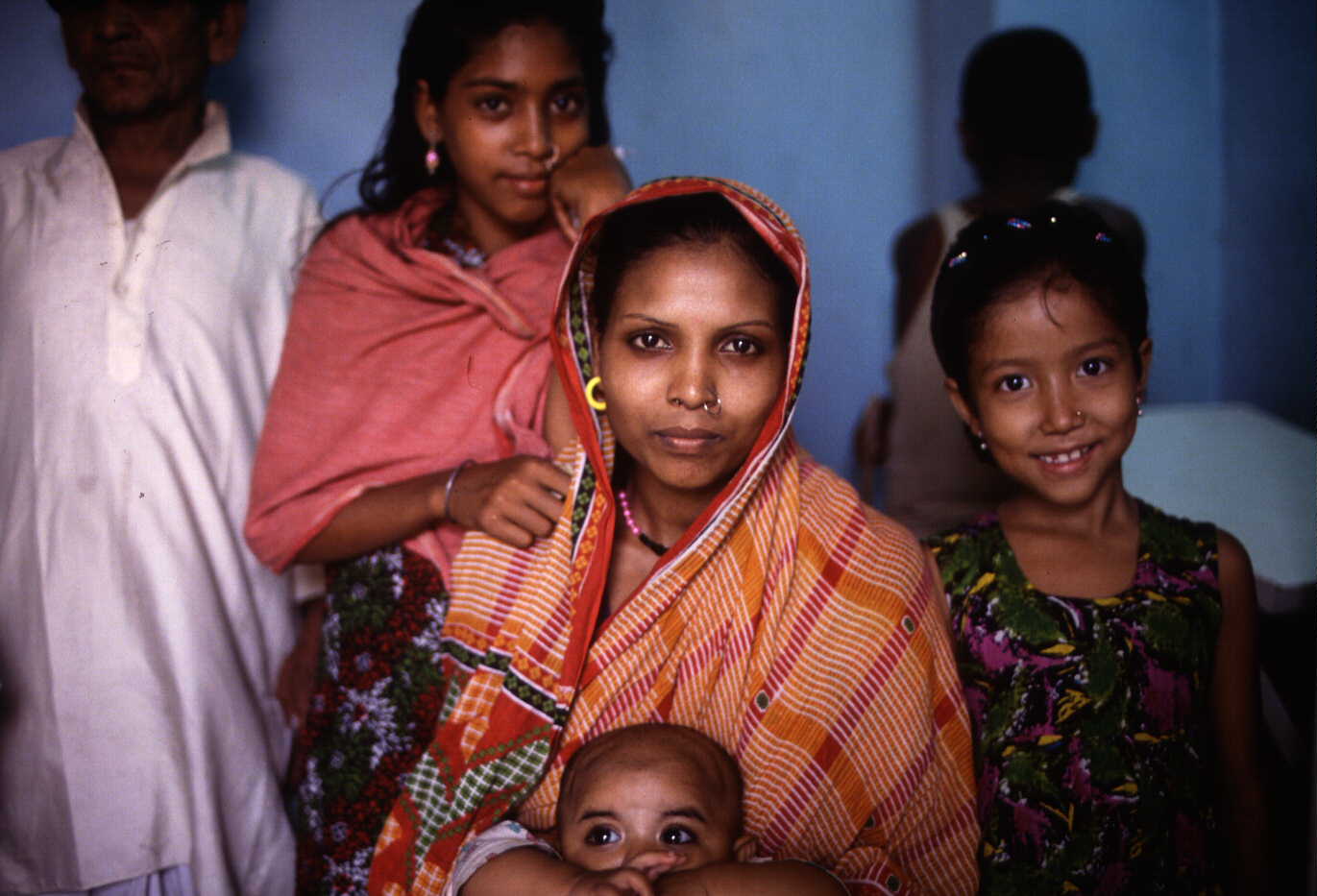
The United Nations' Convention on the Elimination of All Forms of Discrimination against Women (CEDAW) entered into force in 1981. This Convention reflected concerns common at the time, such as the rights of women in developing countries, and the rights of rural women to equal access to credit. It reiterated women's equal rights in other areas, such as women's right to have a nationality separate from that of their father or husband. It also elaborated on the rights of women in the family and their rights to family planning.
 |
(Photo: Stephanie Colvey, IDRC-CRDI)
There is no mention in CEDAW of the need for protection against violence against women, such as domestic violence, "traditional" customs such as female genital mutilation, or rape as a tool of war. However, after feminist pressure at the United Nations-sponsored 1993 Vienna Conference on Human Rights, the United Nations General Assembly passed a Declaration against Violence against Women in 1994. Neither CEDAW nor the Declaration makes any reference to women having a right to abortion.
Neither document makes any reference to the rights of lesbian women. There was much disagreement at the international Beijing conference on women's rights in 1995 about lesbian rights. Criticism of lesbian rights came especially from the Vatican (the Roman Catholic Church), some Muslim countries, and some African and Latin American countries. There is not yet any international law protecting gay and lesbian rights.
The lack of reference to abortion and rights of lesbian women reflects international religious and cultural disagreements on women's rights. Some countries object to rights which imply that women should control their own sexuality. Thus, there are more "reservations" to the Women's Convention than to any other human rights law. A reservation means that a country has signed and ratified a Convention, but excludes certain clauses from that ratification.
Human rights, including women's rights, are universal and equal: all human beings are entitled to human rights merely by virtue of being human. Some critics claim that this principle imposes selfish, individualistic Western standards of rights on non-Western countries with more collectivist, duty-based cultures. The debate on cultural relativism in human rights claims that certain human rights violate national, ethnic, or religious custom. Often these are customs to do with women's roles in the family and community.
Despite claims to cultural relativity, a widespread social movement to protect women's rights evolved in the last quarter of the twentieth century. This social movement means that it is becoming more and more difficult for male political, cultural, and religious elites to claim that "their" women do not need special rights. There are global women's rights networks, global networks of female adherents of different religions, and thousands of national women's rights organizations. These organizations are particularly concerned with violence against women and "trafficking" in women and girls (moving women and girls from one country to another for purposes of prostitution).
Women's rights illustrate the positive aspects of globalization. Easier travel, and easy communication via the Internet, have made it possible for more women from across the globe to unite to work on common concerns. The international women's movement also tries to protect girls and women from adverse effects of globalization, such as exploitation of female workers in factories established in underdeveloped parts of the world.
Suggested Readings:
Fraser, Arvonne S. 1999. Becoming human: The origins and development of women's rights. Human Rights Quarterly 21 (4): 853-906.Mayer, Ann Elizabeth. 1999. Islam and human rights: Tradition and politics. 3rd ed. Boulder, CO: Westview.