The constant gardener
Plant Patent Act
Daniel Gorman,
York University
The Plant Patent Act was passed in the United States in 1930. Before that
date, plants and other genetic resources had been universally deemed "common
property." The Plant Patent Act was ground-breaking in allowing farmers,
plant breeders, and other interested parties to apply for patents for
asexually reproduced plants. The main lobby behind the legislation was the
ornamental garden breeders industry. Despite its narrow origins, the Act is
important in the history of intellectual property and living organisms.
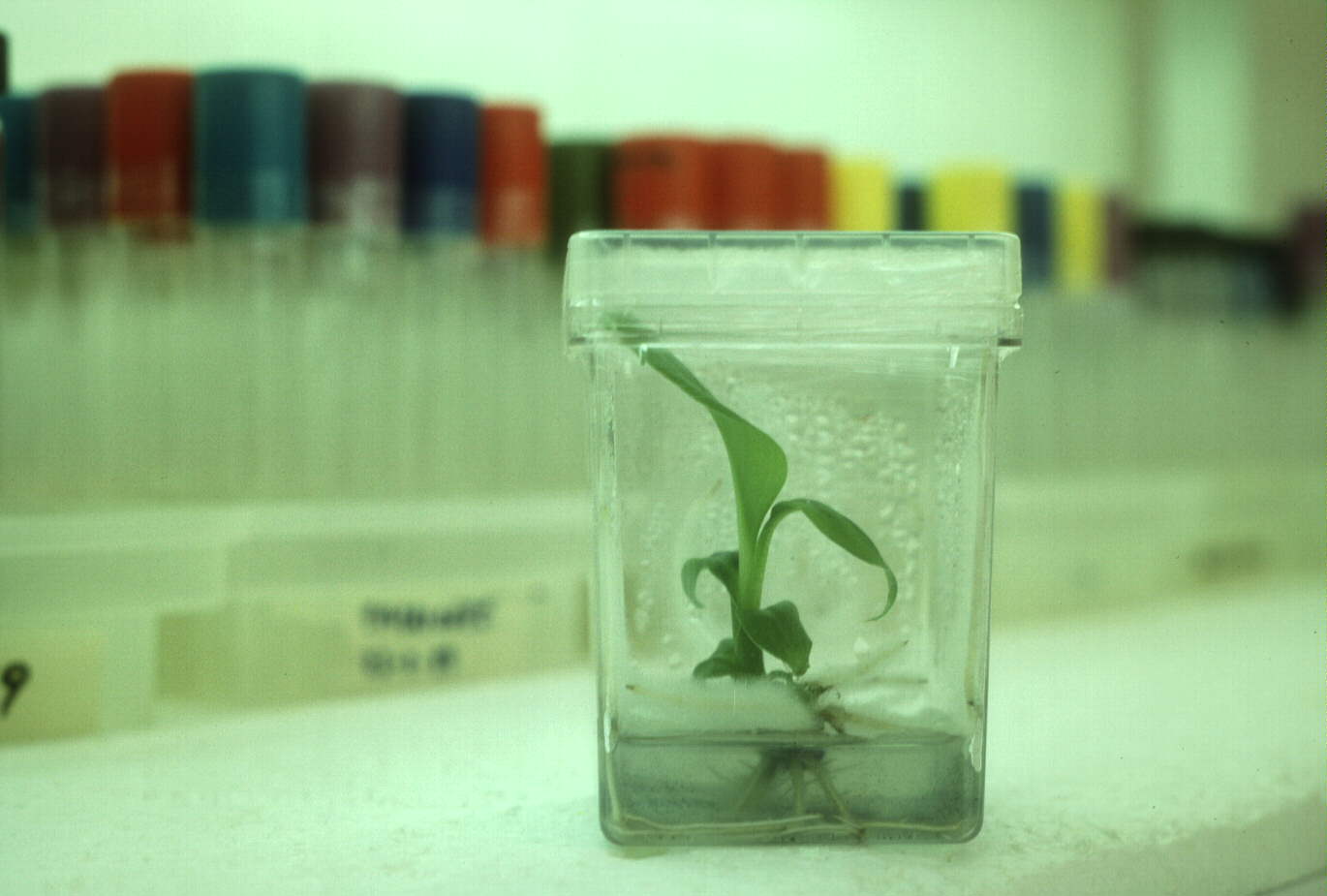
(Photo: IDRC-CRDI)
European countries began to pass similar legislation by the 1940s, creating
a growing global commercial marketplace for genetically modified plants. In
the 1960s, European laws were further liberalized, allowing plant breeders
to protect sexually-reproduced varieties of plants if said plants were found
to be stable and novel. This legislation was internationalized through the
International Convention for the Protection of New Varieties of Plants
(UPOV) (1961). UPOV gained new prominence in the mid-1990s by selling
itself as a means for developing countries to comply with the WTO Agreement
on Trade Related Aspects of Intellectual Property Rights (TRIPs) requirement
to provide either patent or sui generis plant protection for
the ownership of plant varieties.
The United States passed The Plant Variety Protection (PVP) Act (1970). It
granted exclusive marketing rights for new types of sexually reproduced
plants. The Act excluded basic organisms, though with the Chakrabarty Case
(1980), bacteria soon became patentable. The development of recombinant DNA
technology in the 1970s and 1980s created a boom in the genetically
engineered plant industry, at which point the property law model for plant
types broke down. Recent disputes concerning plant patenting have centred
on genetically-modified foods and the patentability of seeds, which has so
far been allowed because it is not expressly forbidden by the Plant
Protection Act.
The application of intellectual property to plant types has increased
roughly coterminous to the Western powers' abandonment of their colonial
empires. This has led some critics to denounce the global application of
such laws as neo-colonial exploitation, a form of bio-piracy. More positive
observers claim that the commodification of plant types gives developing
nations, including their Indigenous peoples, a heretofore untapped economic
resource. As evidence, they point to joint partnerships between developed
and developing nations, such as that between the pharmaceutical company
Merck and the Costa Rican government.
Suggested Readings:
Chapman, Stephen and Steven Bahls. 1992. Patent laws and plant science.
Journal of Natural Resources and Life Sciences Education 21
(2):
149-52.
Shiva, Vandana. 2001.
Patents: Myths and reality. New York:
Penguin Books.